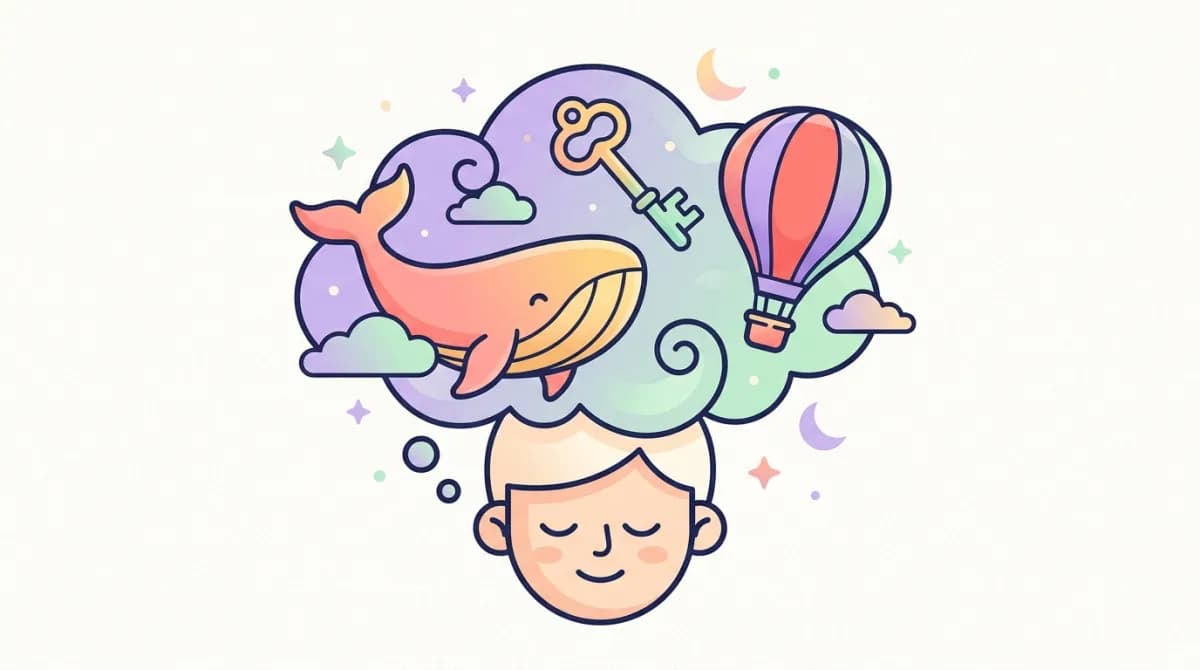
Vivid Dreams: Why They Happen and What They Mean
Your dreams have suddenly become IMAX productions — cinematic plots, intense emotions, waking up feeling like you lived a whole second life overnight. Maybe it's fascinating. Maybe it's exhausting. Either way, you're wondering: why now, and should I be concerned?
Vivid dreaming is one of the most common sleep changes people notice, and it almost always traces back to a handful of specific, identifiable causes. Here's what drives it, what it means about your sleep, and when intense dreams signal something worth addressing.
The short answer
Vivid dreams mean you're getting a lot of REM sleep — or waking up during it. All memorable, cinematic dreaming happens in REM (technically you dream in other stages too, but those dreams are thought-like and forgettable). Anything that increases REM, fragments REM, or wakes you out of it will make your dream life feel more intense. The vividness itself is usually a side effect of a sleep change, not a problem in itself.
The 7 usual causes
1. Stress and anxiety — the most common trigger. Emotional arousal shows up in dreams. High stress increases both REM pressure and nighttime awakenings, and waking from a dream is what makes it memorable. The content often processes whatever you're carrying — stress dreams about being unprepared, chased, or embarrassed are near-universal. If your vivid dreams come with waking up anxious, stress is your first suspect.
2. REM rebound after sleep deprivation. When you shortchange sleep, your brain accumulates REM debt — then pays it back with interest on the first full night, packing REM denser and more intense than usual. This is why dreams feel wild after a sleep-deprived week or a stretch of late nights. The mechanics of where REM sits in your night explain why this rebound is so dream-heavy.
3. Medications. Antidepressants are the big one — SSRIs and SNRIs suppress REM while you're on them (often causing strange, intense dreams anyway) and trigger massive REM rebound with vivid, sometimes disturbing dreams if you stop or miss doses. Beta-blockers, melatonin supplements, and some blood-pressure medications also have vivid dreams on their side-effect lists. If the timing matches a prescription change, tell your prescriber — don't just stop the medication.
4. Alcohol and cannabis — especially quitting them. Both suppress REM. Regular use means chronic REM debt; stop, and you get a dramatic rebound — this is why the first week off weed is famous for absolutely unhinged dreams. It normalizes within a couple of weeks as REM regulation rebalances.
5. Pregnancy. Hormonal changes plus fragmented sleep (frequent waking = frequent dream recall) make vivid, often bizarre dreams a classic early-pregnancy symptom.
6. Fever and illness. "Fever dreams" are real — elevated body temperature disrupts normal sleep architecture and produces characteristically strange, distorted, sometimes spatially warped dreams. They pass with the illness.
7. Sleep fragmentation from any cause. You only remember dreams you wake up from. Anything that wakes you repeatedly — noise, apnea, a baby, even an alarm that catches REM — inflates your dream recall, which feels like more dreaming even when total REM is unchanged. This is also why waking at 3–4 AM (when REM dominates the night) so often comes with vivid dream memories.
What vivid dreams mean (and don't mean)
They mean: you're waking during or shortly after REM, your REM is denser than usual, or your emotional processing system is busy. That's information about your sleep architecture and stress load — nothing more mystical.
They don't mean: predictions, omens, or reliable diagnostics. Dream content research (the "continuity hypothesis") shows dreams reflect your waking concerns, not hidden truths. Recurring dream themes track real-life stress patterns; that's the extent of their predictive power.
One honest nuance: frequent vivid dreams with distressing content are worth attention not because of what they mean, but because of what they do — fragmented, emotionally intense dreaming degrades how rested you feel. Feeling exhausted despite enough hours sometimes traces back to exactly this.
How to turn the intensity down (or up)
To reduce vivid dreams:
-
Fix the fragmentation: consistent schedule, address noise and light, limit alcohol and late cannabis
-
Treat the stress load — even 10 minutes of journaling before bed measurably offloads rumination
-
Review medication timing with your doctor if dreams started with a prescription
-
If they're trauma-linked nightmares: imagery rehearsal therapy (rewriting the nightmare's ending and rehearsing it daily) has strong evidence and a therapist can teach it quickly To remember more dreams (if you're on the other side of this):
-
Keep a dream journal within arm's reach and write immediately on waking — dream memory evaporates within minutes
-
Wake gently without an alarm when possible; abrupt waking shreds recall
-
Tell yourself before sleep that you'll remember — intention alone measurably improves recall
When vivid dreams need a doctor
- Acting out dreams physically — punching, kicking, shouting in sleep. This is REM sleep behavior disorder, where normal dream paralysis fails. It needs evaluation (it's treatable, and in older adults can be an early marker of neurological conditions).
- Frequent nightmares (weekly+, distressing, impairing your days) — nightmare disorder is treatable, and imagery rehearsal therapy works.
- Nightmares after trauma that replay the event — a hallmark of PTSD, worth professional support.
- Dreams plus loud snoring and gasping — apnea fragments REM and intensifies dream recall.
Frequently asked questions
Why are my dreams so vivid all of a sudden?
Usually one of: increased stress, REM rebound after sleep deprivation, a medication change (especially antidepressants), stopping alcohol or cannabis, pregnancy, illness, or more nighttime awakenings making you remember dreams you'd normally forget.
Are vivid dreams a sign of good sleep?
Neither good nor bad by themselves. They indicate REM-rich sleep or frequent waking from REM. If you wake feeling rested, they're a curiosity; if you wake drained and groggy for hours, they're a clue about fragmentation.
Do vivid dreams mean I'm not getting deep sleep?
Not necessarily — vivid dreams mostly tell you about REM, not deep (N3) sleep. But if something is fragmenting your night enough to make every dream memorable, deep sleep may be suffering too.
Can medication cause vivid dreams?
Yes — antidepressants (both taking them and stopping them), beta-blockers, melatonin, and several others list vivid dreams as a side effect. Report it to your prescriber rather than adjusting doses yourself.
WakeMind tracks your sleep stages so you can see your nights — not just feel them. Download on the App Store.
Related Articles
Alarm Clocks for Heavy Sleepers When You Have a Roommate (Or Partner)
Loud alarms wake your roommate too. The alarms that wake heavy sleepers without waking anyone else: bed-shakers, watch haptics, sleep headphones, light, and timing.
6 min read · Jul 29, 2026
iPhone Sleep Mode Explained: What It Actually Does (And How to Turn It Off)
iPhone Sleep Mode is really three features — Sleep Schedule, Sleep Focus, and Wind Down. What each one does, and how to turn Sleep Mode off temporarily or for good.
6 min read · Jul 29, 2026
Sleep Inertia: Why You Feel Drunk for an Hour After Waking Up
Sleep inertia is why you feel groggy and impaired after waking. The neuroscience, why deep-sleep awakenings are worst, and 8 evidence-based ways to shake it fast.
7 min read · Jul 29, 2026